
Layering gives you far more control over how warm you feel throughout the day. A very thick coat may be comfortable when you’re out and about but will quickly become too warm on the bus or in a heated building.
A good cold-weather layering system lets you adjust your clothing without changing your whole outfit.
Each layer has a job. The one in contact with your skin manages moisture, the middle layer provides insulation, and the outer layer protects against the weather.
Layering also gives you more flexibility if the forecast changes. A sweatshirt that will do the job on its own in October can be the insulating layer under a winter jacket in January.

The basic layering system is a base, a middle, and an outer layer. You don’t necessarily need all three, but it’s useful to understand what each layer does so you can dress for the conditions you’re in.
Your base layer is what’s in direct contact with your skin, and its primary function is to wick the sweat away from your body before it has a chance to make you cold.
Look for moisture-wicking materials such as merino wool or synthetic performance fabrics. These help manage sweat and provide a range of warmth levels.
A base layer should fit close enough to your skin to stay in place without restricting movement.
For everyday city wear, a lightweight thermal is usually sufficient. If you’ll be out in the cold for hours, you’ll want a warmer base layer.
Your mid layer is to retain your core body heat by trapping the warm air next to your body. The usual options are synthetic fleece, wool jumpers, and insulated clothing.
For casual winter wear, a fairly substantial sweatshirt can also work as an insulating middle layer, especially under a down jacket.
The AlphaStyle KUDU Crew is another example. It’s made from heavyweight cotton French terry and features a relaxed fit and an interchangeable hood system.
You can wear it as a crewneck sweatshirt or attach a compatible hood for extra coverage. The KUDU Crew is a perfectly serviceable mid-layer for everyday wear, though for anything more demanding you’re better off with a technical fleece or wool.
Your outer layer keeps the clothing beneath it protected from the cold wind and the rain.
For dry winter conditions, an insulated puffer jacket with good wind resistance will probably be all the warmth you need. In wet weather, you’ll want a waterproof shell with a breathable membrane to help the moisture out.
Down-filled jackets give you the insulation and at the same time are relatively low in weight, so they’re useful on cold days when you don’t want to be wearing several thick jackets.
The KUDU Double Hood Down Jacket uses RDS-certified 90/10 goose down and has a double hood. It’s essentially a jacket designed to keep you insulated in the colder conditions of the city.
Remember that water-resistant and waterproof are not the same thing. If you’re looking at it in the context of prolonged rain, then you need to check the weather protection on the jacket.
Fabric choice affects how well your winter clothing manages heat and moisture.
| Merino wool | Base layers | Moisture management and warmth |
| Synthetic polyester | Base layers and active mid layers | Quick drying and lightweight |
| Synthetic fleece | Mid layers | Breathable insulation |
| Cotton French terry | Casual mid layers | Comfort and substantial feel |
| Goose down | Insulated outerwear | Excellent warmth relative to weight |
| Waterproof technical fabrics | Outer shells | Protection from rain and snow |
Cotton deserves special consideration.
It’s comfortable for normal day-to-day wear, but it takes in moisture and dries very slowly. Cotton is therefore a poor choice against the skin during strenuous outdoor activity in cold weather.
A French terry sweatshirt will still work for an urban winter look if you’re not particularly active, and you can add and remove layers as needed.
For the colder outdoor conditions, you want to look at materials that are insulative when wet as well as ones that dry out efficiently.
When your body gets hot, you sweat. If that moisture gets trapped in your clothing, you can feel a lot colder once you stop moving.
Good thermal regulation means adjusting your layers before you become uncomfortable.
If you’re moving about quickly, then opening your jacket or taking out a mid-layer will improve breathability. When you stop moving, adding insulation will help replace the heat you’re no longer generating through movement.
Think about your activity level as much as the temperature.
Standing outside at 35°F (2°C) for an hour can feel considerably colder than walking briskly at that temperature. Wind chill is another factor, especially if your jacket doesn’t block the moving air.
Bulk-free layering is all about choosing items that fit together well rather than stacking large pieces on top of each other.
Start with a fitted thermal base. Add an insulating middle layer (with plenty of room to move), then choose an outer jacket that lets you wear both the base and middle layer without feeling too restricted.
A few practical adjustments make a difference:
The KUDU Crew’s removable hood is especially useful here. Taking the hood off when you’re wearing a hooded puffer stops extra fabric from bunching around your neck.
The goal is a comfortable fit that keeps the insulation working, rather than packing everything in as tight as possible.
City winter dressing invariably involves moving between the heated interiors and the cold streets outside.
A practical option is a lightweight thermal top under the KUDU Crew, finished with a down puffer.
You can take the jacket off indoors and still have a complete outfit underneath.
For longer periods outside, the KUDU General Double Hood Puffer Jacket is the way to go. It’s down-insulated and has a removable inner hood, so it’s very flexible for winter city wear.
Travel layering is all about having lightweight garments that you can easily remove and pack.
A merino wool base layer combined with a compact fleece is a useful combination for sightseeing or moving between different climates.
For hiking or any other strenuous outdoor activity, you’ll be active layering. Your active layer should be quick-drying. A cotton sweatshirt isn’t ideal in that situation, as the sweat you’ll produce will sit in the fabric and leave you with an uncomfortable, cold layer.
Packability is also an issue. Down gear packs down very well; in fact, don’t leave it compressed for too long.
If you’re going somewhere where the rain is going to be unpredictable, then go for a waterproof outer shell rather than an insulated jacket.
Dressing for the extreme cold means paying much more attention to insulation and exposed skin.
Start with a thermal base layer that covers your torso and legs, add an insulating middle layer for your activity, and finish with protective outerwear appropriate to the expected conditions—the usual setup.
A down jacket can provide substantial warmth, but it will obviously be quite warm, though how warm it actually is will depend on the fill weight, the construction, the fit, and the amount of wind it’s exposed to. 90/10 white goose down with 700+ fill power. Those specifications describe its insulation, but they don’t establish a guaranteed temperature rating.
Also protect your lower body with insulated pants or thermal leggings.
For prolonged exposure to extreme temperatures, chooFor extended exposure to extreme cold, go with the appropriate cold weather kit and follow local safety advice. Don’t just go for the fashion winter jacket and assume it’s going to cut it in the same way as expedition-grade kit without proper performance testing. Heat can escape through exposed areas of your clothing.
Heat can escape through the exposed areas of your clothing, especially where cold air can get in around the openings—this includes around your face. A high collar or scarf can help close the gap around your neck.
Pay attention to the cuffs and hem of your jacket as well.
Drawcord or adjustable cuffs, where available, will help minimize the cold air that can reach your wrists. A good fit at the hem will stop the cold air from getting under the jacket.
AlphaStyle’s KUDU range utilizes a very distinctive double hood concept, enabling garments in the range to offer different levels of coverage via the use of interchangeable components.
Your hands and feet need protection too. Insulated gloves and the appropriate winter footwear are a must when the temperatures get severe.
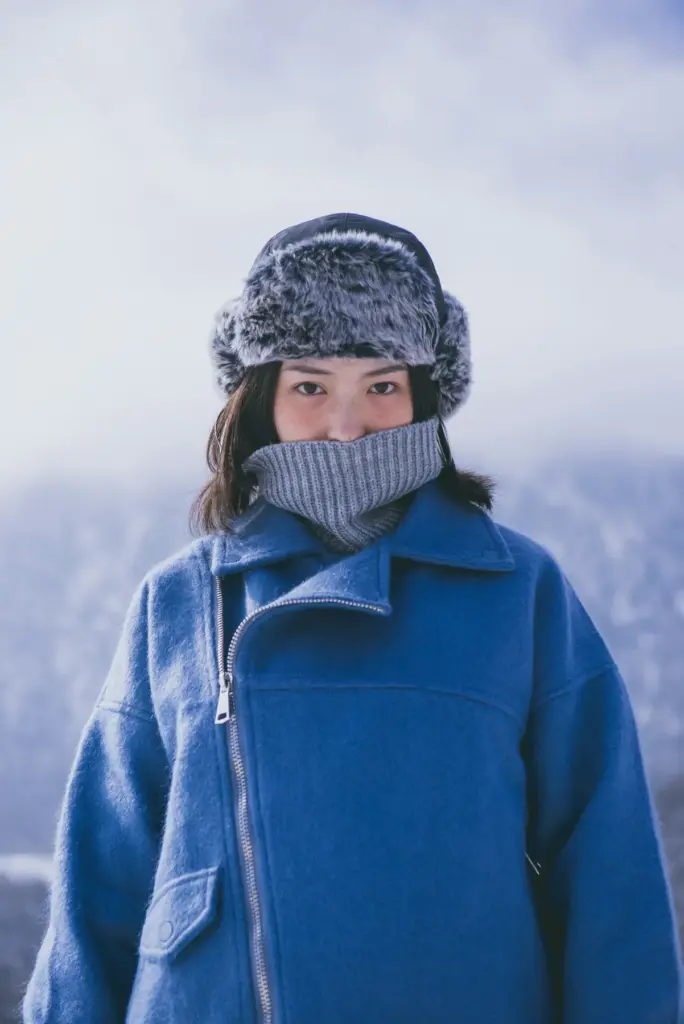
Even a warm winter jacket can be uncomfortable if the stuff underneath it isn’t right.
Some common mistakes include:
The most useful habit is to adjust what you’re wearing during the day rather than waiting until you’re either too hot or too cold.
The following are examples of how to layer for winter in various circumstances. They are general guidelines for everyday use and not guaranteed temperature ratings for any particular garments.
| Mild cold: 45–55°F (7–13°C) | T-shirt or light thermal | French terry sweatshirt | Light jacket if windy |
| Freezing weather: 25–40°F (-4 to 4°C) | Thermal top | KUDU Crew or warm fleece | Insulated down jacket |
| Severe cold: Below 15°F (-9°C) | Midweight or heavyweight thermal | Warm fleece or technical insulated mid layer | Severe-cold-rated insulated outerwear and wind protection |
Wind chill, humidity, and time spent outdoors can all alter what you need. The same outfit may be perfectly adequate for a short walk but totally unsuitable for standing outside for a long period of time.
For a cool autumn afternoon or a mild winter day, start with a comfortable shirt and layer on a substantial sweatshirt.
The KUDU Crew works perfectly on its own, or you can add a light jacket if the wind picks up.
Its removable hood also allows you to change the silhouette without changing the entire outfit. When the temps get down to near freezing, you’ll need to have a proper theA French terry sweatshirt for a short city commute, particularly if you’re wearing it with a warm down puffer. For heavier outerwear, the KUDU Cozy 2-in-1 Puffer Jacket is another KUDU double-hood option. Check the fit of your full outfit before you go out. You should be able to move around comfortably without the jacket pulling across your shoulders. In extreme cold, insulation performance is more important than styling flexibility. Pick a warm base layer, a technical insulating mid layer, and then an outer jacket appropriate for the conditions. Choose an outer jacket rated for the conditions.
Depending on your exposure, you’ll also need insulation. Don’t just go by layer count. A small number of good-quality items can beat a much larger stack of average clothes. Form a larger stack of ordinary clothing.
No. You might only need a sweatshirt and jacket in mild winter weather. Add a moisture-wicking base layer when temperatures fall, or you’re spending more time outside. Your activity level and exposure should guide your choices.
Cotton isn’t ideal for a winter base layer because it absorbs sweat and dries slowly. Merino wool and synthetic performance fabrics are better options when moisture management matters. Cotton French terry works better as a casual mid-layer in dry conditions.
A base layer, insulating mid layer, and protective outer layer form a useful starting system. Extreme conditions may require extra insulation or specialized clothing. The quality of the garments and their ability to work together matter more than the number of pieces.
No. Too many layers can compress insulation and restrict movement. They may also cause overheating, which leads to sweat buildup. Choose garments that provide enough warmth without trapping excess moisture.
Your mid layer should fit comfortably over your base layer without clinging. It needs enough room to retain warm air while still fitting beneath your outer jacket. A relaxed sweatshirt can work well if the jacket has enough room over it.
Not always. A well-designed hood and high collar may provide enough coverage for everyday winter conditions. A scarf or neck gaiter is more useful in strong winds or when cold air can sneak in around your neckline.
A reliable winter outfit starts with choosing clothing that works together. Focus on moisture management close to your skin, suitable insulation over it, and an outer layer that matches the weather.
AlphaStyle’s KUDU outerwear collection brings modular construction into winter streetwear, with interchangeable hood options and down-filled designs.
Explore the collection to find pieces that fit your everyday winter wardrobe and adjust your layers as the conditions change.

 11/11/2026Down Fill Power Explained: 600 vs 700 vs 800 FillRead more
 10/15/2026Are Puffer Jackets Waterproof? Waterproof vs. Water-Resistant ExplainedRead more
 09/30/2026Best Winter Jacket for Extreme Cold: What to Look For in a Puffer JacketRead more
 09/15/2026Crewneck vs Hoodie: Which One Actually Works for Riding?Read more
 08/12/2026A huge shoutout to Hypebeast CN for featuring the Alphastyle United Society collection!Read more
 07/31/2026United Society Resort Collection Shoot in Central, Hong KongRead more
 07/15/2026Introducing the “United Society” Resort Collection: A Vision of UnityRead more
 06/30/2026AlphaStyle Debuts New Resort Collection at Preservation HallRead more