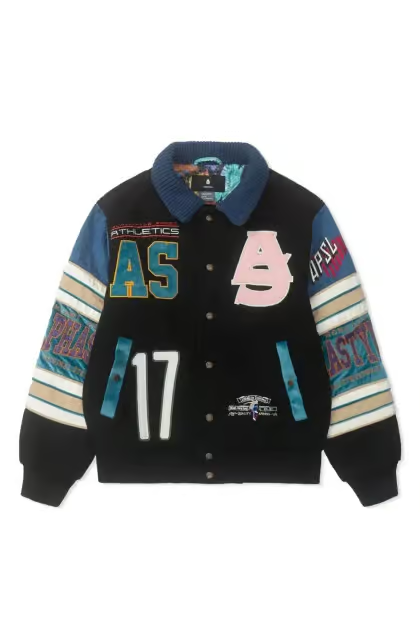
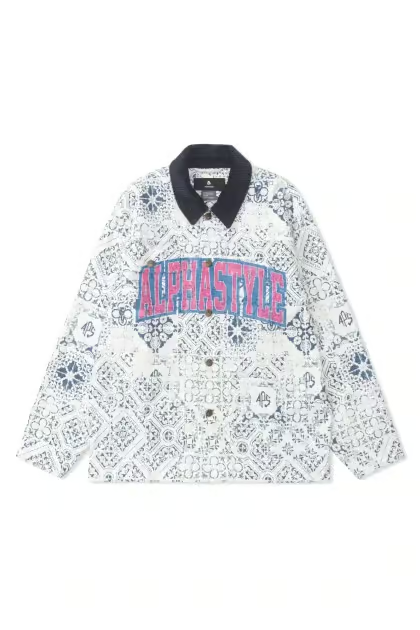
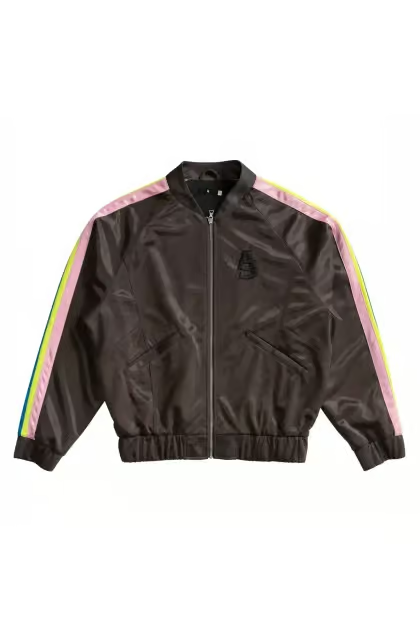
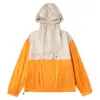
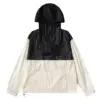
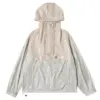
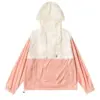
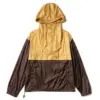
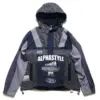
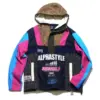
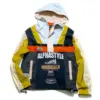
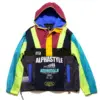
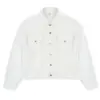
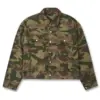
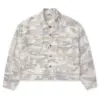
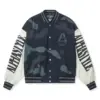
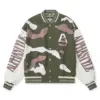
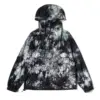
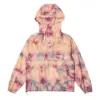
AlphaStyle’s men’s fall jacket collection includes anoraks, workwear jackets, windbreakers, and track jackets for layering between seasons. Each style offers individuality coupled with practical utility details to bold prints and unique fabrics.
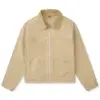
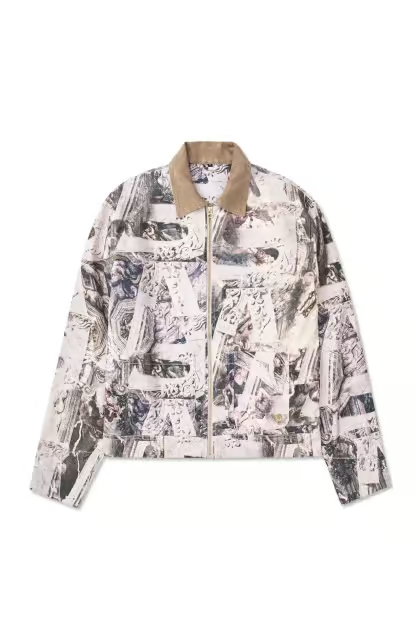
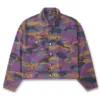
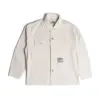
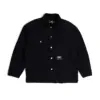
Workwear Jackets: The Blun Zip-Up, Malaga, Meztli, and Sherwood Worker jackets bring utility-inspired cuts to streetwear. The Byers Camouflage Jacket and Yucca Printed Trucker Jacket lean into pattern, while the Jeff and Tyler upcycled jackets offer one-of-a-kind designs. Explore more upcycled jackets.
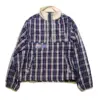
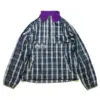
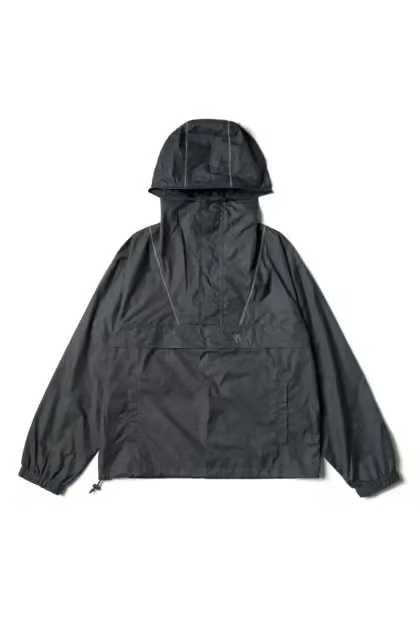
Anoraks & Windbreakers: The Lodi, Sauk Reflective and Thorp Tie-dye Super Lightweight Anorak Jackets pack into their own pouches. The Trevor Hooded Anorak, Daniel Tartan Anorak and Whitman Batwing Windbreaker offer different takes on the lightweight anorak, from reflective details to distinctive silhouettes.
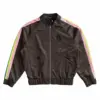
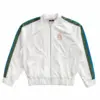
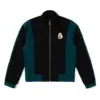
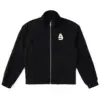
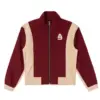
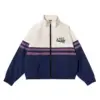
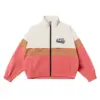
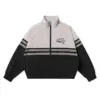
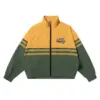
Track Jackets: The Dailey, Knott Elementary, Mancos Satin and Shoals Track Jackets bring athletic cuts into everyday streetwear. Each belongs to a coordinating outfit, so you can wear it separately or shop the matching sets.
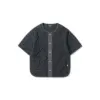
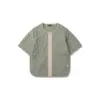
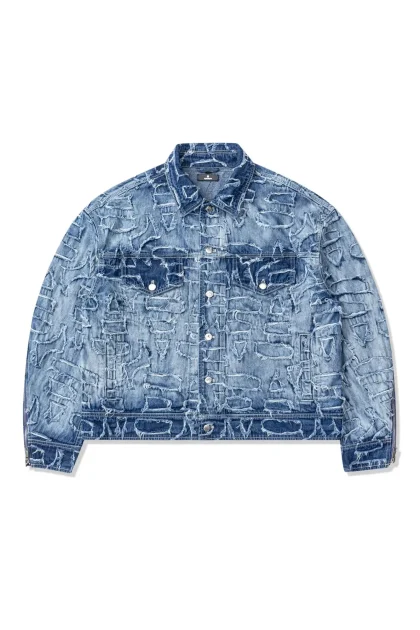
Denim Jackets, Vests & Overshirts: The Forst Denim Jacket offers a classic casual layer, while the Murrat Coach Jacket features camo panels. The Kim PrimaLoft Padded Shirt adds light insulation, and the Geoff Upcycle Vest offers a sleeveless alternative.