
Both materials provide effective winter jacket insulation, but there are differences worth understanding before buying.
| Feature | Goose Down | Duck Down |
|---|---|---|
| Cluster size | Generally larger | Generally smaller |
| Fill power | Can reach very high ratings | Also available in high fill powers |
| Warmth | Excellent with sufficient fill | Equally effective at comparable specs |
| Weight | Strong warmth-to-weight potential | Depends on fill power and quantity |
| Durability | Good with proper care | Good with proper care |
| Odor | Often less prone to noticeable odor | May retain more odor if poorly processed |
The biggest takeaway is that goose down vs duck down isn’t a simple quality ranking. A well-made duck down jacket can outperform a poorly insulated goose down jacket.
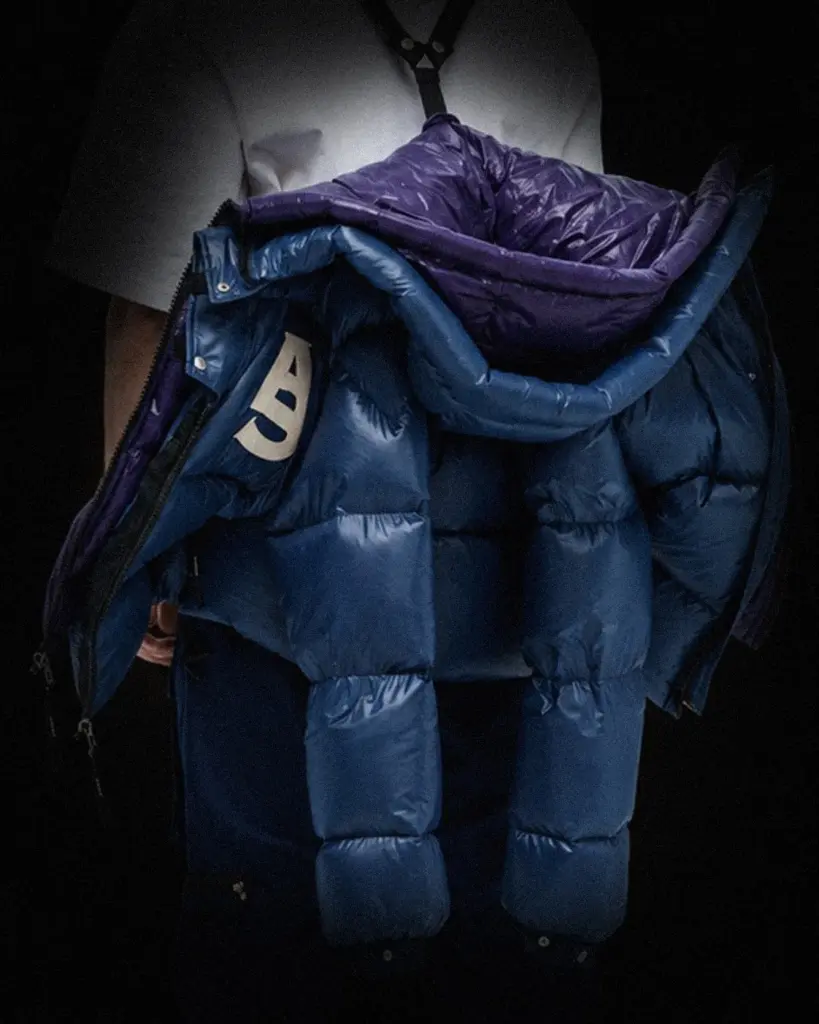
Down is the soft insulating layer found beneath the outer feathers of ducks and geese. Unlike regular feathers, down clusters have fine filaments extending from a central point rather than a stiff quill.
These clusters create tiny air pockets that retain body heat while keeping the insulation lightweight.
So, what are down jackets made of? Most contain goose or duck down, sometimes blended with small feathers, enclosed within fabric compartments called baffles.
Both types work through the same insulating process. Their differences are mainly related to cluster characteristics and the quality of the finished filling.
Goose down typically has larger clusters because geese are generally larger birds.
Larger goose plumules can create more loft, which refers to the volume the down occupies when fully expanded. This makes it possible to achieve excellent insulation without excessive weight.
However, high-quality duck plumules can also produce impressive loft.
Cluster size varies with the bird’s maturity and the quality of the down. Species alone doesn’t determine performance.
A jacket filled with carefully processed duck down may insulate better than one filled with lower-grade goose down.
The warmth-to-weight ratio tells you how efficiently a jacket provides insulation relative to the weight of its filling.
To understand it, consider two separate measurements.
Fill power measures how much volume one ounce of down occupies under standardized test conditions, expressed in cubic inches.
Higher ratings indicate greater loft per ounce.
Typical comparisons include:
High goose down fill power is one reason the material appears frequently in premium winter jackets. However, duck down can achieve comparable ratings.
Fill weight measures the actual quantity of down inside the jacket.
A 900-fill-power jacket containing very little insulation isn’t necessarily warmer than a 700-fill-power jacket with substantially more down.
For a real product example, the KUDU General 2.0 is specified with 700+ fill power and 400–500g of 90/10 white goose down and feathers.
Those numbers tell you about both the efficiency and quantity of insulation. Actual warmth also depends on how the filling is distributed and how effectively the jacket limits heat loss.
Both goose and duck down can last for years with proper maintenance.
Premium goose down often has excellent compressibility and resilience, allowing it to pack down compactly before recovering its loft.
High-quality duck down can perform similarly.
For down jacket durability, processing quality and garment construction matter as much as the filling’s origin. Repeated compression, improper washing, and prolonged damp storage can damage either material.
Always follow the care label and allow down to dry completely before storing it.
Duck down can sometimes retain a more noticeable natural odor because of differences in its oils. However, proper cleaning and processing reduce this considerably.
Odor isn’t an automatic sign of poor insulation.
Moisture is a more important concern for both materials.
When untreated down becomes soaked, the clusters can stick together. This down clumping reduces loft and makes the insulation less effective until properly dried.
Goose down generally costs more because premium large-cluster filling is less widely available, particularly at very high fill powers.
Duck down is often more economical, making it attractive for affordable cold-weather outerwear.
However, a higher price doesn’t guarantee a warmer jacket.
Compare insulation specifications and construction before paying extra for goose down. You may find that a duck down jacket offers everything you need at a lower price.
Responsible sourcing matters for both types of down.
Most commercial down is obtained as a byproduct of the meat industry. However, that doesn’t mean every supply chain follows the same animal welfare practices.
This is where independent certification becomes useful.
The Responsible Down Standard (RDS) establishes animal welfare requirements for down production.
RDS certification prohibits live-plucking and force-feeding. Independent audits and supply chain documentation help verify compliance.
The standard applies to both ducks and geese.
However, RDS-certified down is still an animal-derived product. Certification doesn’t mean animals weren’t slaughtered, nor does it indicate how warm the insulation will be.
AlphaStyle uses RDS-certified white goose down in its KUDU jackets, with selected models specifying a 90/10 down blend and 700+ fill power.
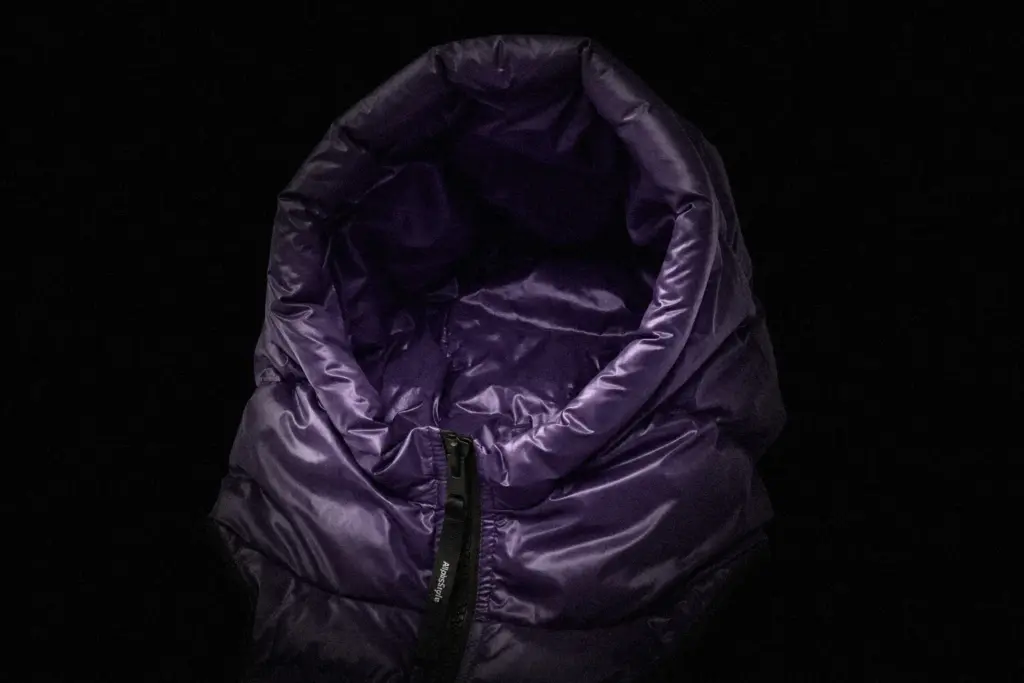
The KUDU Cozy goose down puffer jacket combines these specifications with a water-repellent polyester shell and a removable inner hood.
Its certification addresses animal welfare and traceability, while its insulation specifications describe the filling’s performance characteristics.
Look for a published fill power rating. Around 700 or higher offers good insulating efficiency for winter outerwear, although the ideal rating depends on how you’ll use the jacket.
The down-to-feather ratio describes the proportion of soft down clusters to regular feathers.
A 90/10 down blend means approximately 90% down and 10% feathers. Higher down content generally supports better loft efficiency.
AlphaStyle ensures that jackets are RDS-certified. This means that the down is ethically sourced.
Look for a shell that helps shield the insulation from wind and light moisture.
Also consider baffle construction. Well-designed compartments keep down distributed across the jacket, reducing migration and limiting cold spots.
The KUDU Double Hood Down Jacket offers 700+ fill power and protective features such as ribbed storm cuffs, showing how the surrounding construction supports the insulation.
No. Goose down can achieve higher fill power ratings, but warmth depends on fill weight and jacket construction. A well-insulated duck down jacket can be warmer than a lighter goose down alternative.
A rating of 700+ is a good starting point for efficient insulation. However, extreme-cold protection also requires sufficient fill weight and effective wind protection. Fill power alone doesn’t establish a safe temperature rating.
No. Duck down is animal-derived, so it isn’t cruelty-free in the animal-free sense. RDS certification provides animal welfare safeguards, including prohibitions on live-plucking and force-feeding, but doesn’t make the material vegan.
Yes. Some manufacturers combine both materials. A blend can provide effective insulation, but its quality depends on the actual fill power and down content. Check the manufacturer’s material specifications for the composition.
Choose goose down if you want premium insulation with excellent loft potential, particularly when weight and packability matter.
Choose duck down if you want strong winter performance at a more accessible price.
Ultimately, the better jacket is the one with the right insulation specifications and construction for your climate.
For a closer look at premium goose down outerwear, check out the AlphaStyle KUDU collection. Its signature double-hood designs combine technical insulation with a distinctive streetwear silhouette.

 11/15/2026What Is a Puffer Jacket? Puffer vs. Down Jacket ExplainedRead more
 11/11/2026Down Fill Power Explained: 600 vs 700 vs 800 FillRead more
 10/30/2026How to Layer for Cold Weather: The Complete Winter Layering GuideRead more
 10/15/2026Are Puffer Jackets Waterproof? Waterproof vs. Water-Resistant ExplainedRead more
 09/30/2026Best Winter Jacket for Extreme Cold: What to Look For in a Puffer JacketRead more
 09/15/2026Crewneck vs Hoodie: Which One Actually Works for Riding?Read more
 08/12/2026A huge shoutout to Hypebeast CN for featuring the Alphastyle United Society collection!Read more
 07/31/2026United Society Resort Collection Shoot in Central, Hong KongRead more